

Moving into assisted living does not mean giving up personal identity, routines, or meaningful connections. A comfortable transition depends on making the new setting feel familiar, predictable, and genuinely personal.
For residents and families in Edwardsville, PA, the goal is usually not to recreate every detail of a former home. Instead, it is to preserve the parts of daily life that provide comfort: familiar belongings, preferred routines, favorite activities, valued relationships, and a sense of control.
What makes assisted living feel like home?
Assisted living feels more like home when residents can recognize their surroundings, follow familiar routines, and make everyday choices. Comfort is created through many small details rather than one large change.
A room may feel more personal with:
- Family photographs and familiar artwork
- A favorite chair, blanket, quilt, or lamp
- Books, puzzles, craft supplies, or music
- A small collection of meaningful objects
- Familiar scents from approved personal items
- Clothing arranged in a way that makes sense to the resident
The room should remain uncluttered and safe. Walkways need to stay clear, and furniture should not interfere with mobility equipment, emergency access, or nighttime movement.
A familiar layout also helps. Keeping commonly used items in consistent places can reduce frustration and support independence, especially for someone experiencing memory changes.
Which personal belongings should a resident bring?
The most helpful belongings are usually practical, familiar, and emotionally meaningful. A smaller selection is often better than bringing everything from the former home.
Families may want to choose items from several categories:
- Everyday comfort: bedding, a robe, slippers, or a preferred pillow
- Personal history: photographs, letters, awards, or keepsakes
- Recreation: magazines, knitting supplies, games, or headphones
- Familiar function: a calendar, clock, radio, or reading light
- Personal expression: artwork, decorations, or seasonal items
Labeling clothing and other personal property can reduce loss or confusion in shared laundry and dining areas. It is also wise to photograph valuable items and avoid bringing irreplaceable jewelry or objects that could be misplaced.
Before moving larger furniture or electrical equipment, families should confirm room dimensions, safety requirements, and facility policies. Some items may need modification or may not be appropriate for the space.
How can routines help with the transition?
Predictable routines often make assisted living easier to understand. Regular times for waking, bathing, meals, medication, rest, and activities can help residents feel more secure.
A transition may be smoother when the first few weeks reflect familiar habits as much as possible. If a resident prefers an early breakfast, an afternoon nap, evening television, or a quiet morning, those preferences should be shared with the care team.
A simple written routine can help everyone stay consistent. It might include:
- Typical wake-up and bedtime preferences
- Favorite foods and disliked foods
- Preferred bathing schedule
- Usual times for reading, resting, or socializing
- Important cultural, religious, or family practices
- Signs of fatigue, anxiety, discomfort, or overstimulation
Routines should provide structure without becoming rigid. Residents may need flexibility for appointments, family visits, seasonal activities, or changes in energy.
How can residents keep a sense of independence?
Independence in assisted living often means having choices, not doing every task without help. Residents may be able to choose clothing, meals, activities, seating, bedtime, or how their room is arranged.
Even small decisions matter. A person who needs help bathing may still choose the time of day. Someone who needs assistance with dressing may select between two outfits. A resident who no longer cooks may still help plan a favorite meal or set the table for a family visit.
Families and caregivers can support independence by:
- Offering limited choices instead of making every decision
- Allowing extra time for tasks
- Avoiding unnecessary correction
- Encouraging safe participation in familiar activities
- Respecting privacy and personal preferences
- Asking before moving or discarding belongings
Too much assistance can unintentionally reduce confidence. The safest approach is to provide only the help needed while allowing the resident to remain involved.
What role do meals and familiar foods play?
Food is closely connected to memory, culture, comfort, and family life. Familiar flavors can make a new residence feel less foreign and may encourage better eating.
Families can share information about favorite meals, food traditions, allergies, swallowing concerns, and changes in appetite. A resident may eat more comfortably when meals are served at a preferred temperature, with familiar seasonings, or in a quieter setting.
Seasonal traditions can also support a sense of home. Holiday recipes, birthday desserts, family-style meals, or familiar baked goods may carry strong emotional meaning, provided they fit dietary and safety requirements.
A reduced appetite should not automatically be treated as simple pickiness. It can reflect medication effects, dental concerns, illness, depression, fatigue, or difficulty eating in a noisy dining room. Sudden or persistent changes should be brought to the attention of the appropriate care team.
How can family visits feel natural rather than disruptive?
Regular, comfortable visits are usually more valuable than occasional elaborate events. A short visit that follows the resident’s energy level may be more enjoyable than a long gathering.
Useful visit activities include:
- Looking through family photographs
- Folding towels or sorting cards together
- Listening to familiar music
- Taking a safe walk or sitting outdoors when weather permits
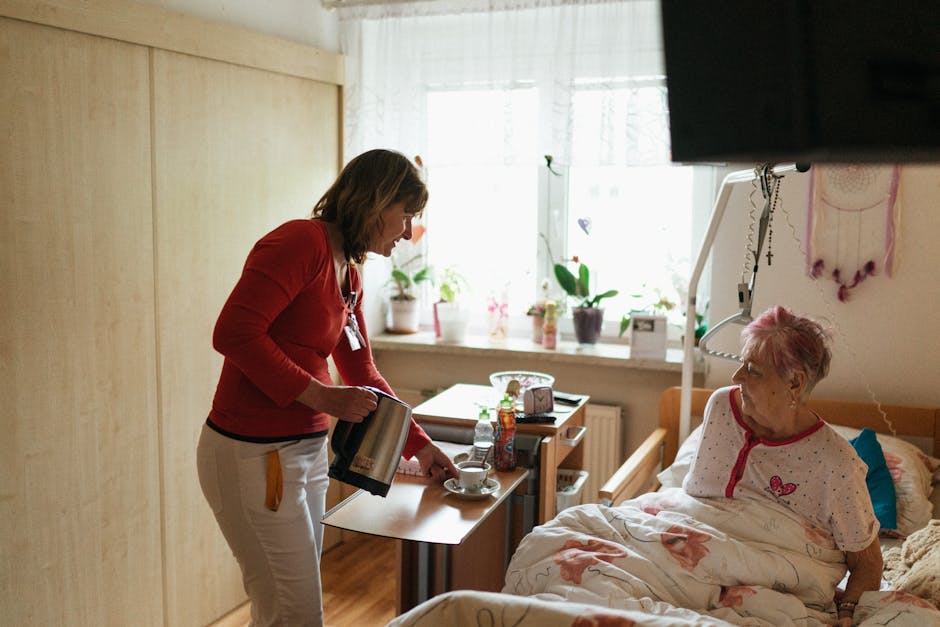
- Sharing a snack or cup of tea
- Watching a favorite program
- Celebrating ordinary milestones, not only holidays
In Edwardsville, seasonal weather can affect outdoor plans. Hot, humid summer days, winter cold, rain, and icy walking conditions may require indoor alternatives. A familiar indoor activity can preserve the routine even when outdoor time is not practical.
Visits should also respect the resident’s need for rest. Signs of fatigue may include withdrawal, irritability, confusion, or difficulty following conversation.
What helps a resident who has memory loss feel at home?
People living with memory loss often benefit from clear visual cues, familiar objects, and consistent surroundings. A large clock, calendar, labeled drawers, or photographs with names can make the room easier to understand.
Doors and personal spaces may be easier to recognize with a distinctive photograph, color, or decoration, if permitted. Too many signs or decorations can create confusion, so visual cues should remain simple.
Communication matters as much as the physical setting. Calm conversation, short questions, and extra time to respond can reduce pressure. Correcting every mistaken detail may create distress without improving understanding. In many situations, acknowledging the feeling behind a statement is more helpful than arguing about the facts.
Safety changes should be made respectfully. Alarms, nonslip flooring, grab bars, lighting, and supervised access may be necessary, but they should be introduced in ways that preserve dignity and do not make the room feel institutional.
How can the living space stay comfortable through the seasons?
Comfort depends partly on temperature, lighting, and clothing. Residents may feel cold even when others are comfortable, or may not recognize when they need more water or lighter clothing.
Practical seasonal habits include:
- Keeping a light sweater or shawl available indoors
- Using layers rather than relying on one heavy garment
- Checking footwear for traction during wet or icy conditions
- Providing a hat, sunscreen, and water for warm-weather outings
- Using brighter lighting during darker winter afternoons
- Keeping window coverings adjusted for glare and temperature
Personal comfort items should not block heating or cooling equipment. Portable heaters, candles, electric blankets, and similar items may be restricted because of fire or burn risks.
How should families measure whether the new setting feels like home?
The clearest signs are often behavioral. A resident may appear more relaxed, participate in familiar activities, sleep more consistently, eat better, or begin forming relationships with staff and neighbors.
Adjustment is rarely immediate. Some residents settle within days, while others need several weeks or longer. Occasional sadness, confusion, or frustration does not necessarily mean the arrangement is failing.
Families can ask practical questions:
- Does the resident know where important belongings are?
- Are personal preferences being recognized?
- Does the daily schedule allow meaningful choices?
- Are visits and activities matched to energy level?
- Has there been a change in appetite, sleep, mood, or mobility?
- Does the resident have quiet time as well as social opportunities?
The best home-like environment combines familiarity with appropriate support. It gives residents room to express preferences, maintain relationships, and continue meaningful parts of their identity while receiving help with the tasks that have become difficult.
