

What Is Daily Life Like in an Assisted Living Community?
Daily routines in assisted living blend independence with supportive care. Residents typically live in private apartments or suites, while having access to shared spaces and assistance as needed. The focus is on promoting autonomy, dignity, and social engagement—supported by staff who help with meals, medications, hygiene, and other daily activities.
In Edwardsville, PA, the pace and structure of assisted living often reflect the area's slower, community-oriented lifestyle, allowing residents to participate at their comfort level. Seasonal changes may influence activities and routines, offering both indoor and outdoor options throughout the year.
How Are Meals and Nutrition Managed?
Residents are served regular, balanced meals, typically three times a day in communal dining rooms. Menus are usually created with attention to individual health needs (such as low sodium or diabetic diets), and most communities offer alternative options for dietary restrictions.
- Meals are planned to encourage nutrition and social interaction.
- Special events or holidays may include traditional or seasonal dishes.
- Assistance is available for residents who need support with eating.
For those who prefer, some locations allow light cooking or snacks in their own space.
What Does a Typical Day’s Schedule Include?
A typical day involves a blend of structure and flexibility. Morning routines often start with personal care, followed by breakfast and optional group or solo activities. Residents might join exercise classes, attend educational lectures, or engage in crafts. There’s time set aside for personal interests, visiting with family, or relaxing alone.
Examples of daily opportunities include:
- Morning exercise or stretching classes
- Creative workshops—painting, knitting, music
- Outdoor walks (weather permitting)
- Social games like cards or bingo
- Television, reading, or puzzles in a common lounge
Schedules usually remain consistent, but personal preferences are respected.
How Is Health and Personal Care Provided?
Assistance is tailored to each individual’s needs and might include help with bathing, dressing, grooming, or managing medications. Care staff are available 24/7. Residents have regular health assessments, and local providers may visit for routine medical checks, podiatry, or therapy.
Some misconceptions:
- Assisted living does not mean constant monitoring or loss of privacy.
- Residents can control what kind of support they accept.
- Community health guidelines are followed, especially during flu season or other health alerts.
What Kinds of Activities and Social Events Are Offered?
There’s a strong focus on social, recreational, and enrichment activities. Participation is optional and planned to meet a wide range of interests and abilities.
Common offerings:
- Seasonal celebrations and holiday gatherings
- Group outings—such as nature walks, museum trips, or local music
- Book clubs or discussion groups
- Gardening clubs
- Pet therapy sessions
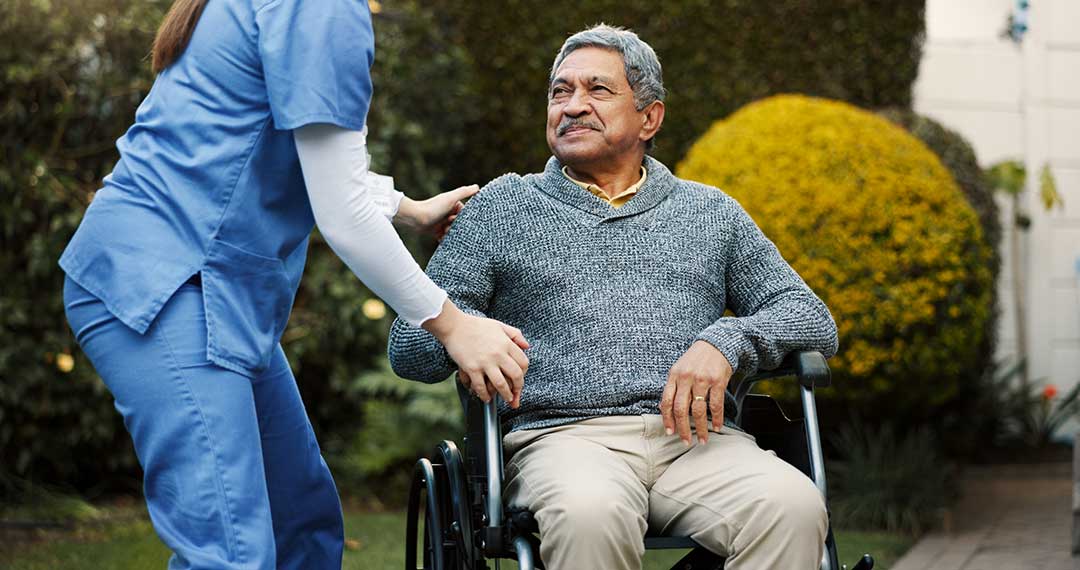
Seasonal variation is typical in Edwardsville, with more outdoor activities during warmer months and cozy group events indoors in winter.
How Do Residents Maintain Their Independence?
Residents are encouraged to make personal choices about daily routines, activities, and social involvement. Assisted living aims to provide just the right level of support—handling difficult tasks while preserving decision-making and privacy.
For example:
- Residents choose their wake-up times, activities, and meal preferences.
- Friends and family are encouraged to visit; private time in individual suites is always respected.
- Transportation may be arranged for errands or appointments, supporting continued connection to the wider community.
Are Pets or Personal Belongings Allowed?
Most communities allow residents to bring familiar items like photos, furniture, or décor to personalize their living spaces. Small pets are often welcome if residents can care for them, but check specific policies. These personal touches create a comfortable, home-like environment and support emotional well-being.
What Is the Role of Staff in Day-to-Day Life?
Staff are trained to balance helpfulness with respect for independence. Their responsibilities range from organizing activities to providing discreet personal care and maintaining a safe environment. Residents and staff often develop friendly, supportive relationships over time, which fosters a sense of belonging.
Misconceptions to avoid:
- Staff are not “nurses for everything”—their goal is to encourage independence.
- Residents are not required to join group activities if they prefer solitude.
How Are Family and Community Ties Maintained?
Staying connected with friends and family is a priority for most residents. Visits are generally encouraged, with communal and private spaces available for gatherings. Technology such as video calls, email, or social media may be used, with staff support if needed.
Some communities organize events where families are welcome to join—like picnics, open houses, or holiday meals. Transportation services may also help residents visit important places or attend local events, keeping ties to traditions and outside interests.
What About Privacy and Safety?
Privacy is carefully respected in assisted living. Residents have their own living space and can lock their doors. Staff knock or announce themselves before entering. At the same time, safety features such as emergency pull cords, handrails, and secure entry systems are integrated discreetly into daily life.
Safety and privacy concerns are regular topics of orientation, especially important in close-knit areas such as Edwardsville. Residents are encouraged to communicate preferences and any worries about privacy or safety as they arise.
